
CPAP Mask Online Shopping: How to Pick the Perfect Mask for Comfort and Seal

Why Choosing the Right CPAP Mask is Crucial for Effective Therapy
Selecting the appropriate CPAP mask is crucial for the success of your sleep apnea therapy. CPAP (Continuous Positive Airway Pressure) therapy functions by delivering pressurized air through a mask to keep your airways open while you sleep. However, this treatment is only effective if the mask forms a secure seal against your face, preventing any air leaks.
The comfort of CPAP therapy depends entirely on finding a mask that suits your individual facial structure, breathing patterns, and sleep habits. If you choose a mask that doesn’t fit properly, it can result in air leaks, skin irritation, and disrupted sleep—all of which can lead to many users giving up on their therapy completely.
Challenges of Buying CPAP Masks Online
When it comes to purchasing CPAP masks online, there are specific challenges that make the selection process more complicated:
- No hands-on testing: Unlike buying in-store, you won’t have the opportunity to physically try on different masks before making a purchase. This means you won’t be able to assess how comfortable or well-fitting a mask feels against your face.
- Wide range of options: There are numerous styles, sizes, and brands of CPAP mask available online. Without clear guidance or recommendations, it can be overwhelming to determine which mask will best suit your needs.
- Sizing uncertainty: If you’re unable to try on various sizes or obtain professional measurements, it becomes difficult to know which size will fit you best. This increases the risk of ordering a mask that is either too tight or too loose.
- Limited comparison ability: When shopping online, you may not have the opportunity to compare comfort features such as cushion materials and headgear designs directly. This makes it challenging to evaluate which features are important for your comfort during sleep.
- Return policy concerns: If the mask doesn’t fit properly after delivery, you may have concerns about returning it and obtaining a refund or exchange. It’s essential to review the return policy before making a purchase to ensure you’re aware of any potential issues.
These challenges highlight the importance of understanding different types of masks, sizing methods, and fit requirements before making an online purchase. Making an informed decision can help prevent wasting money on an ineffective mask and ensure timely treatment for your sleep apnea condition.
What Are the Different Types of CPAP Masks and How Do They Affect Comfort and Seal?
CPAP mask types fall into three main categories, each designed to address specific breathing patterns and therapy requirements. Understanding these options helps you match your personal needs with the right equipment for optimal therapy results.
1. Full-Face Masks
Full-face masks cover both the nose and mouth, creating a sealed chamber around the entire lower face. This design serves mouth breathers who cannot maintain nasal breathing during sleep, whether due to congestion, deviated septum, or natural breathing habits. These masks also accommodate users requiring higher pressure settings (typically above 15 cmH2O), as the larger surface area distributes pressure more evenly. The trade-off comes in the form of a bulkier profile that may feel claustrophobic initially and can interfere with certain sleep positions.
2. Nasal Masks
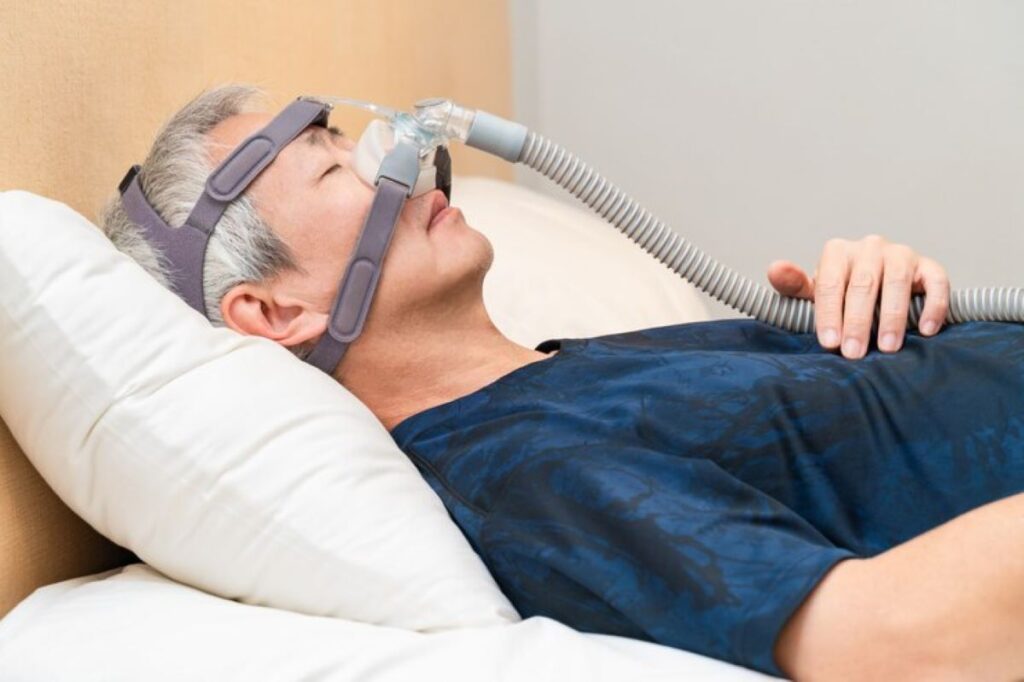
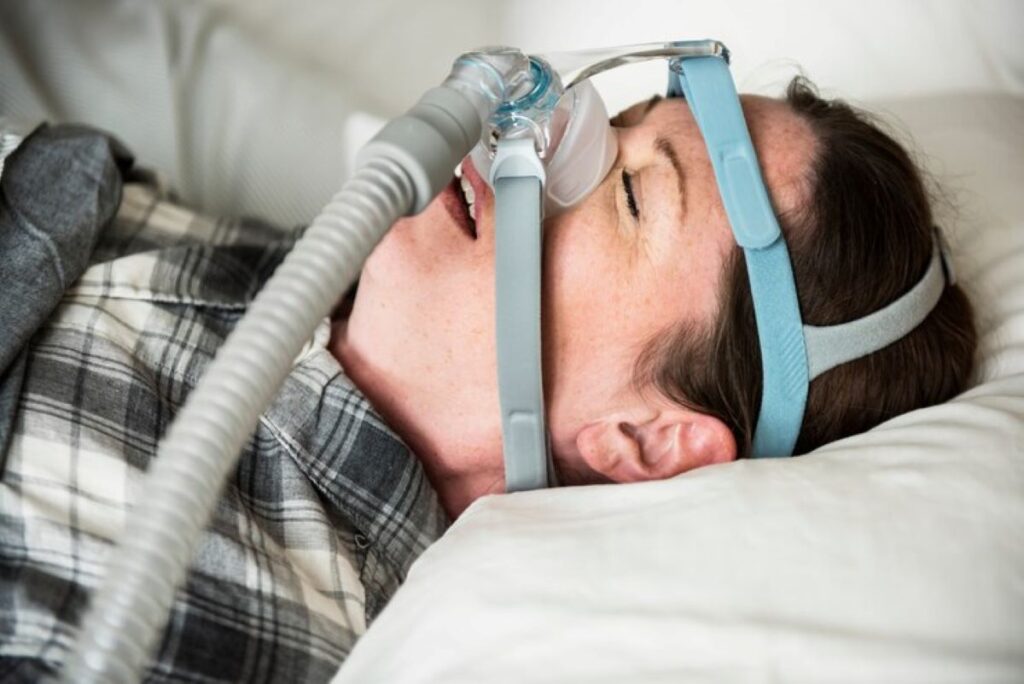
Nasal masks rest on the bridge of the nose and extend down to the upper lip, covering only the nasal area. They offer a middle ground between full-face coverage and minimal contact, making them popular among users who breathe through their nose but find nasal pillows insufficient. The moderate size provides stability without the bulk of full-face options, though they require consistent nasal breathing to maintain therapy effectiveness.
3. Nasal Pillows
Nasal pillows insert directly into the nostrils using soft silicone cushions. Their minimal design makes them the lightest option available, ideal for side sleepers and stomach sleepers who need freedom of movement without mask displacement. The compact profile reduces facial contact points and allows unobstructed vision for reading or watching television before sleep. These work best at lower to moderate pressure settings, as higher pressures can cause discomfort in the nostrils.
Each mask type creates its seal differently—full-face masks rely on cushion contact around the entire perimeter, nasal masks depend on the bridge and upper lip area, while nasal pillows seal within the nostril opening itself. Your choice directly impacts leak rates, comfort levels, and therapy compliance.
How Does Sleep Position Influence the Choice of a CPAP Mask?
Your sleep position CPAP mask choice directly impacts therapy success because different positions create varying pressure points and movement patterns. The way you sleep determines which mask style maintains a secure seal without causing discomfort throughout the night.
Challenges for Side Sleepers
Side sleepers face unique challenges with mask displacement as pillows press against the mask interface. A side sleeper CPAP mask works best when it features nasal pillows or low-profile nasal masks paired with flexible headgear that adjusts to shifting positions. These designs minimize contact with pillows and reduce the risk of air leaks when turning from side to side during sleep. The lightweight construction prevents the mask from being pushed out of position.
Flexibility for Back Sleepers
Back sleepers enjoy the most flexibility in mask selection since this position creates minimal interference with the mask interface. A back sleeper CPAP mask can include any of the three main types—full-face, nasal, or nasal pillows. Back sleeping may require higher pressure settings to prevent airway collapse, making full-face masks a practical option for those needing substantial airflow support.
Compact Design for Stomach Sleepers
Stomach sleepers require the most compact design to prevent leaks and maintain comfort. A stomach sleeper CPAP mask typically consists of nasal pillows because their minimal profile avoids being crushed against the pillow surface. Bulkier full-face or traditional nasal masks often shift out of alignment when pressed into bedding, creating frustrating air leaks and disrupting therapy effectiveness. Visit https://education.nsw.gov.au/early-childhood-education/ecec-resource-library/safe-sleep-and-rest to get more about safe sleep and rest.
What Factors Determine Proper Fit and Sizing When Buying a CPAP Mask Online?
Accurate CPAP mask sizing directly prevents air leaks and eliminates pressure points that disrupt sleep. A mask that’s too large allows air to escape around the cushion, while one that’s too small creates painful red marks and forces users to over-tighten straps.
1. Manufacturer-provided sizing templates
These printable guides measure facial features—typically the distance from the bridge of the nose to the upper lip for nasal masks, or from below the lower lip to the bridge for full-face options. Users place the template against their face to identify whether they need small, medium, or large sizing.
2. Specialized fitting apps
Digital solutions bridge this gap through specialized fitting apps that use smartphone cameras to analyze facial dimensions. These applications compare measurements against manufacturer specifications to recommend appropriate sizes with surprising accuracy.
3. Professional fitting consultations
Professional fitting consultations remain valuable even when purchasing online. Many CPAP suppliers offer virtual appointments where respiratory therapists review measurements, discuss facial structure considerations like a prominent chin or wide nasal bridge, and suggest specific models.
4. Fit guarantee programs
Some retailers provide fit guarantee programs allowing exchanges if the initial size proves incorrect, reducing the risk inherent in remote purchases. Additionally, it’s important to consider DMEPOS quality standards when buying a CPAP mask online, as these can greatly influence the overall effectiveness and comfort of your mask. Click here to get more about the best CPAP masks for reducing leaks and improving nightly compliance.
How Can Users Ensure Their CPAP Mask Provides an Effective Seal?
An effective seal prevents air leakage and ensures optimal therapy pressure reaches your airways. The most reliable CPAP mask seal tips start with identifying why leaks occur in the first place.
Preventing air leakage CPAP masks requires attention to several common culprits:
- Poor fit from selecting the wrong mask size or style for your facial structure
- Worn cushions that have lost their shape or flexibility after extended use
- Damaged headgear with stretched elastic or broken clips
- Facial hair creating gaps between skin and cushion
- Incorrect assembly after cleaning, particularly with multi-component masks
Adjustable headgear plays a critical role in achieving a secure seal without causing discomfort. The straps should hold the mask gently against your face—just snug enough to prevent leaks during normal breathing and movement. Over-tightening creates pressure points that lead to skin irritation, red marks, and paradoxically can worsen leaks by distorting the cushion shape.
Test your seal by turning on the CPAP machine while awake. Move your head side to side and simulate sleeping positions. Air should not blow into your eyes or escape audibly from the cushion edges. Adjust individual strap sections incrementally, checking the seal after each small change rather than tightening everything at once.
What Comfort Features and Customization Options Are Available When Selecting a CPAP Mask?
Comfortable CPAP masks depend heavily on cushion materials and headgear design choices. The cushion creates direct contact with your face, making material selection critical for both comfort and seal effectiveness.
CPAP Cushion Materials
There are different types of materials used for CPAP cushions, each with its own benefits:
- Silicone cushions: These are durable and can maintain their shape even after long periods of use, providing reliable seals for most face shapes.
- Gel cushions: These cushions conform more closely to the contours of your face, reducing pressure points and offering a softer touch against sensitive skin.
- Memory foam options: These cushions mold to the unique features of your face, adapting to different face shapes while minimizing red marks.
Headgear Designs
Headgear designs vary significantly to accommodate different sleeping habits and comfort preferences. Here are some common types:
- Traditional four-point headgear: This design distributes tension evenly across the head.
- Minimal-contact designs: These designs reduce the feeling of restriction.
- Masks with magnetic clips: Some masks feature magnetic clips for easy removal and reattachment during nighttime bathroom visits.
Customization Options
Customization extends beyond basic components. Here are some additional options available:
- Adjustable forehead supports on full-face masks: These allow users to fine-tune positioning without compromising the seal.
- Interchangeable cushion sizes: This lets you modify fit without purchasing an entirely new mask system.
- Specialized chin straps: These prevent mouth breathing for nasal mask users.
- CPAP-specific pillows: These feature cutouts that accommodate mask positioning and reduce pressure on the device during sleep.
How Can Regular Maintenance Enhance the Performance of a CPAP Mask?
CPAP mask cleaning directly impacts seal quality and therapy effectiveness. Daily washing with mild soap and warm water removes facial oils, dead skin cells, and moisture buildup that degrade cushion materials and create gaps where air escapes. Neglected masks develop residue that hardens silicone and gel cushions, compromising their flexibility and ability to conform to facial contours.
Weekly deep cleaning extends component lifespan and prevents bacterial growth that causes skin irritation. Replacing cushions every 1-2 months and headgear every 6 months maintains optimal performance, as worn materials lose elasticity and no longer hold the mask securely against the face. Inspecting components during each cleaning session reveals cracks, tears, or stretched elastic that signal replacement needs before seal failure occurs during sleep.
What Should Shoppers Keep in Mind When Purchasing a CPAP Mask Online?
Successful buying CPAP masks online tips start with matching your mask type to your specific breathing habits and preferred sleep position. Mouth breathers need full-face masks to accommodate nocturnal breathing patterns, while nose breathers can choose between nasal masks and nasal pillows based on their sleeping style. Side and stomach sleepers benefit most from compact nasal pillows that won’t shift during movement, whereas back sleepers have flexibility across all mask types.
Essential Pre-Purchase Checklist:
- Download and print manufacturer sizing templates to measure facial dimensions accurately
- Check pressure requirements from your prescription against mask specifications
- Read customer reviews focusing on seal performance and comfort feedback
- Compare multiple brands offering similar mask styles
Return policies deserve careful attention when ordering remotely. Look for retailers offering 30-day trial periods or satisfaction guarantees, as finding the perfect fit often requires testing during actual sleep. Some suppliers charge restocking fees for opened products, while others provide free exchanges within specific timeframes.
Verify whether the online retailer requires a prescription before purchase, as regulations vary by region. Many reputable sellers offer virtual consultations or fitting assistance through video calls, bridging the gap between online convenience and professional guidance. Keep documentation of your CPAP pressure settings and any previous mask experiences to share with customer service representatives who can recommend suitable options.
Conclusion
Choosing the right CPAP mask can turn your therapy from a nightly battle into a peaceful and effective treatment. With the help of tools like manufacturer sizing templates, detailed product specifications, flexible return policies, and professional fitting resources, you can make confident decisions on your journey to better sleep.
When it comes to CPAP Mask Online Shopping: How to Pick the Perfect Mask for Comfort and Seal, it’s important to:
- Match the mask type with your breathing patterns
- Carefully check your measurements
- Prioritize both comfort features and seal quality
Remember that your sleep position, pressure requirements, and personal preferences all play a role in creating a unique profile that will guide you in selecting the right mask.
Don’t forget to use these resources to your advantage. Your perfect mask is out there, ready to provide the therapeutic benefits that will not only improve your nights but also enhance your overall health and energy levels during the day.