
What’s the Difference Between an Oxygen Machine and an Oxygen Concentrator?

This guide explains the practical differences, what each device does, and how they fit different home and clinical needs.
What does “oxygen machine” usually mean?
In most consumer contexts, an oxygen machine is a catch-all term for equipment that delivers oxygen to a person. They might be referring to an oxygen concentrator, an oxygen cylinder setup, or even a liquid oxygen system.
Because it is vague, the term oxygen machine can cause confusion when someone is comparing models, prices, or performance. It helps to ask what technology the oxygen machine actually uses.
What is an oxygen concentrator, exactly?
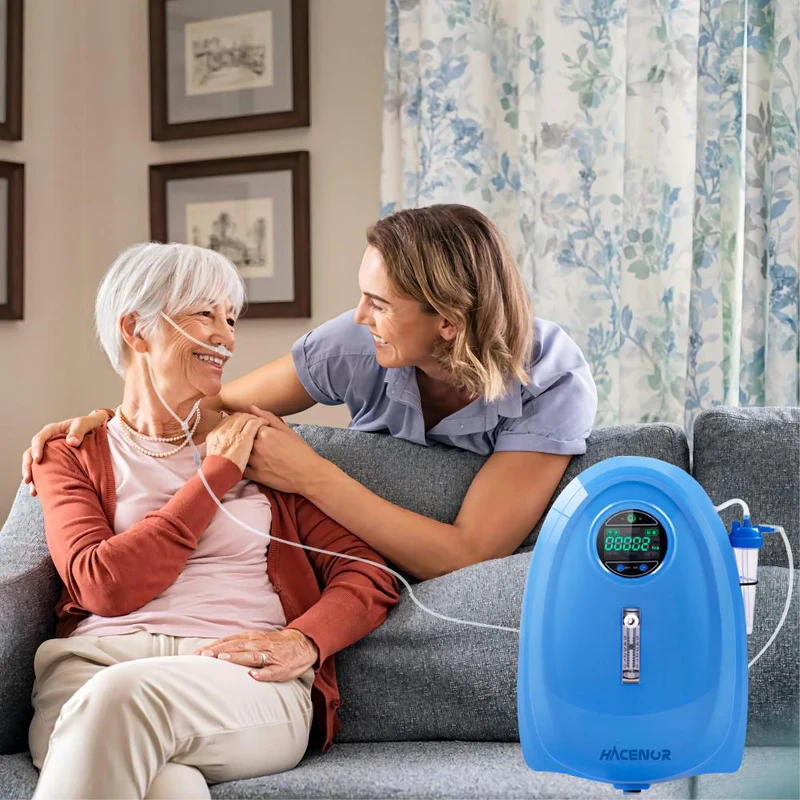
An oxygen concentrator is a device that draws in room air, filters out nitrogen, and delivers oxygen-enriched air through a nasal cannula or mask. It runs on electricity and does not need refilling like a cylinder.
When someone says they are buying an oxygen machine for home use, they are very often describing an oxygen concentrator. This is why “oxygen machine vs oxygen concentrator” searches are so common.
Is an oxygen concentrator the same as an oxygen machine?
Sometimes, yes, but only because oxygen machine is informal. An oxygen concentrator is a type of oxygen machine, but not every oxygen machine is an oxygen concentrator.
If a supplier lists an oxygen machine, they should confirm whether it is a concentrator, a cylinder regulator kit, or something else. Clarifying this early avoids ordering the wrong accessories.
How do oxygen concentrators make oxygen from air?
They use a process called pressure swing adsorption. The oxygen concentrator compresses air and passes it through a material (often a zeolite sieve) that traps nitrogen, allowing more oxygen to pass through.
This cycling happens continuously, which is why an oxygen concentrator can provide a steady supply without deliveries. Learning how oxygen concentrators work can make it easier to understand why regular maintenance is important for consistent performance. However, output depends on the device’s design and maintenance.
What are the main types of oxygen concentrator?
There are two common formats: stationary and portable. A stationary oxygen concentrator is designed for home use, plugs into mains power, and usually provides higher continuous flow.
A portable oxygen concentrator is smaller and built for mobility. Many use pulse-dose delivery, which gives oxygen when they inhale rather than as a constant stream, though some models offer continuous flow.
How does an oxygen cylinder setup compare?
A cylinder does not create oxygen; it stores oxygen under pressure. The “oxygen machine” in this case is really the regulator, tubing, and flow meter that control delivery.
Cylinders can be useful for backup, short-term use, or when power is unreliable. The downsides include refills, transport, storage safety, and the risk of running out unexpectedly.
Which one is cheaper over time?
Upfront costs can vary, but an oxygen concentrator often becomes more cost-effective for long-term therapy because there are no refill fees. Electricity and routine servicing still matter, but the ongoing costs are usually predictable.
Cylinder systems may look cheaper at first, yet delivery and refill charges can add up quickly. For regular daily oxygen, many people find the oxygen concentrator easier to budget for.
Which option is easier to use at home?
For many households, an oxygen concentrator is simpler because it runs continuously as long as power is available. There is no need to monitor remaining cylinder volume in the same way. Reviewing general home oxygen therapy guidance can help users understand the practical differences between concentrators and oxygen cylinders.
That said, they still need basic routines: cleaning external filters, keeping vents clear, and placing the unit where airflow is good. An oxygen machine that is a cylinder setup may be simpler mechanically, but it needs refill planning.
What about oxygen purity and flow rate differences?
An oxygen concentrator typically delivers oxygen-enriched air (often around 90% or above, depending on model and settings), while cylinders can deliver medical oxygen at very high purity. In practice, what matters most is whether the prescribed flow and delivery method are met.
Some people require higher continuous flows than some portable units can supply. Matching the oxygen machine to the prescription is more important than focusing on labels like oxygen machine vs oxygen concentrator.
How noisy are oxygen concentrators compared to other options?
An oxygen concentrator makes noise because it uses a compressor and internal valves. Many home units are designed to be relatively quiet, but they are rarely silent.
Cylinders are silent while in use, apart from oxygen flowing through the cannula. If noise-sensitive sleep is a concern, they should compare decibel ratings and consider placing the oxygen machine in a suitable location.
What maintenance do they need?
An oxygen concentrator needs routine filter cleaning or replacement, periodic checks, and sometimes sieve bed servicing over its lifespan. Neglecting maintenance can reduce output and reliability.
Cylinder systems have less device maintenance, but regulators and connections must be checked for leaks and wear. In both cases, clean cannulas and tubing changes are part of safe use.
Which is better for travel and outings?
A portable oxygen concentrator is often the most convenient travel solution because it avoids carrying multiple cylinders. They can be used in cars, public places, and sometimes on flights, depending on airline rules and model approvals.
However, portability depends on battery life and whether the person needs continuous flow. Some will use a mix: a home oxygen concentrator plus a small cylinder for backup. Those also considering CPAP machines in Australia should understand whether a prescription is required before purchasing.
What safety differences should they know about?
All oxygen increases fire risk because it accelerates combustion. The main rules are the same: no smoking, keep away from open flames, and avoid oil or grease on fittings.
Cylinders introduce extra hazards related to high pressure and physical handling. An oxygen concentrator reduces pressure-storage risks but adds electrical considerations, such as using the correct power setup and avoiding blocked vents.
How should they choose between an oxygen machine and an oxygen concentrator?
They should start with the prescription: required flow rate, continuous versus pulse, and hours per day. Then they should consider lifestyle factors like travel, home layout, noise tolerance, and backup needs during power outages.
In many long-term home scenarios, an oxygen concentrator is the primary choice, with a cylinder reserved for emergencies. The best choice is the one that reliably meets therapy needs, not the one that sounds simpler in the “oxygen machine vs oxygen concentrator” debate.
What questions should they ask a supplier before buying?
They should ask what type of oxygen machine it is, what flow range it supports, whether it offers continuous flow, and what oxygen concentration it delivers at different settings. They should also ask about warranty, servicing, filter costs, and expected lifespan.
If they are considering a portable oxygen concentrator, they should ask about battery duration at their prescribed setting and whether the unit is suitable for their delivery style. Clarifying these details prevents expensive mistakes.
What’s the simplest takeaway?
An oxygen machine is an informal umbrella term, while an oxygen concentrator is a specific device that produces oxygen-enriched air from room air. When comparing options, they should look past the wording and focus on prescription fit, flow type, and real-world running costs.
If they remember one thing, it is this: oxygen machine vs oxygen concentrator is mostly a terminology issue, but the technology and daily experience can be very different.