
Who Is A Suitable Candidate For Eye Surgery Lasik Procedures?

Choosing eye surgery lasik procedures is often less about wanting glasses-free mornings and more about being medically suitable. In Australia, suitability usually comes down to stable vision, healthy eyes, and a lifestyle that fits the recovery rules.
This guide explains who typically qualifies, who might not, and what to expect at an Australian LASIK assessment.
What are eye surgery lasik procedures meant to correct?
Eye surgery lasik procedures are designed to reduce dependence on glasses or contact lenses by reshaping the cornea. They most commonly treat short-sightedness (myopia), long-sightedness (hyperopia), and astigmatism.
In Australia, clinics will confirm whether the prescription falls within safe treatment ranges and whether the cornea is suitable for reshaping.
Who is the “typical” suitable candidate in Australia?
A suitable candidate for eye surgery lasik procedures is usually an adult with healthy eyes and a stable prescription. They generally have enough corneal thickness, normal corneal shape, and no uncontrolled eye disease.
Most Australian refractive surgeons also look for realistic expectations, because results are excellent for many people, but not every eye can reach perfect unaided vision.
How old do they need to be to qualify?
Most people considered for eye surgery lasik procedures are at least 18 years old. Many Australian clinics prefer patients to be in their early 20s or older, because prescriptions can keep changing in the late teens.
There is no strict upper age limit, but age-related lens changes can affect whether LASIK is the best option.
Does their prescription need to be stable first?
Yes, stability is one of the biggest predictors of good long-term satisfaction with eye surgery lasik procedures. A common benchmark is little to no change in prescription over at least 12 months.
If their prescription is still shifting, an Australian surgeon may recommend waiting or considering alternatives depending on the cause.
What prescription ranges are usually considered treatable?
Many people seek eye surgery lasik procedures for myopia and astigmatism, and a wide range can be treated. However, “treatable” depends on more than the numbers on a script, including corneal thickness, pupil size, and corneal shape.
Australian clinics confirm this with corneal topography, pachymetry, and a full refraction, rather than relying on old glasses prescriptions.
How important is corneal thickness and shape?
Corneal thickness and shape are central to eye surgery lasik procedures because the surgeon must reshape the cornea while leaving enough healthy tissue. If the cornea is thin or irregular, LASIK may not be recommended.
In Australia, corneal mapping is standard at pre-op testing to screen for conditions such as keratoconus or early corneal weakening.
What eye conditions can make them unsuitable?
Some eye conditions can make eye surgery lasik procedures unsafe or less predictable. Examples include keratoconus, significant corneal scarring, active eye infections, uncontrolled glaucoma, or certain retinal problems.
Australian surgeons may still offer refractive treatment, but it might be PRK, SMILE, implantable lenses, or no surgery if risk is too high.
What if they have dry eye symptoms already?
Dry eye does not automatically rule out eye surgery lasik procedures, but it must be assessed carefully. LASIK can temporarily worsen dryness, especially in the first weeks or months.
Australian clinics often treat dryness first with lubricating drops, lid hygiene, omega-3 advice, prescription drops when needed, and contact lens breaks before re-testing.
Can contact lens wear affect their eligibility?
Yes, contact lens wear can temporarily change corneal shape and distort measurements used to plan eye surgery lasik procedures. They may need to stop soft lenses for days and rigid gas permeable lenses for longer, depending on the surgeon’s instructions.
Australian clinics typically provide a clear lens “washout” schedule before the final scan and treatment plan is confirmed.
Are they suitable if they have allergies or rub their eyes often?
Frequent eye rubbing and uncontrolled allergies can increase risk after eye surgery lasik procedures, including dry eye flare-ups and slower healing. Suitability often depends on whether symptoms can be controlled.
In Australia, surgeons may recommend allergy management (antihistamine drops, avoiding triggers, treating blepharitis) before proceeding.
Can they get LASIK if they are pregnant or breastfeeding?
Pregnancy and breastfeeding are usually not ideal times for eye surgery lasik procedures. Hormonal changes can affect prescription stability and dryness, making results less predictable.
Australian surgeons commonly advise waiting until vision has stabilised after pregnancy and breastfeeding has finished, then re-checking the prescription.
What medical conditions can affect candidacy?
Some systemic conditions can affect healing and may make eye surgery lasik procedures less suitable. Poorly controlled diabetes, autoimmune diseases, and conditions requiring immune-suppressing medication can increase complication risk.
In Australia, they should disclose all diagnoses and medications so the surgeon can coordinate with their GP or specialist if needed.
How do they know if they have realistic expectations?
Realistic expectations mean they understand what eye surgery lasik procedures can and cannot do. Many people achieve excellent distance vision, but some still need glasses for night driving, fine print, or later in life due to presbyopia.
Australian surgeons usually explain likely outcomes using their measurements, not marketing claims, and confirm what “success” looks like for their work and hobbies.
Are they still a good candidate if they do a lot of night driving?
Night driving can be a deciding factor for eye surgery lasik procedures if they already struggle with glare, halos, or starbursts. Larger pupils in low light and higher prescriptions can increase these symptoms.
Australian clinics evaluate pupil size, tear film quality, and aberrations, then discuss whether LASIK, another procedure, or delaying surgery is the safer choice.
What about people in sport, Defence, or physical jobs?
Many active Australians choose eye surgery lasik procedures because glasses and contacts can be impractical in sport, mining, construction, and some Defence roles. Suitability depends on eye health, job hazards, and compliance with aftercare rules.
In higher-impact activities, Australian surgeons may discuss alternatives like PRK, which avoids a flap, or provide stricter eye protection guidance post-op.
Can they be suitable if they have astigmatism?
Yes, many people with astigmatism are suitable for eye surgery lasik procedures. The key is whether the cornea is regular and stable, and whether the astigmatism is within safe correction limits.
Australian pre-op scans confirm whether the astigmatism pattern is normal or suggests corneal disease, which would change the recommendation.
Are they suitable if they are long-sighted?
Long-sighted people can be suitable for eye surgery lasik procedures, but outcomes can be more variable depending on age and how the eyes focus. Younger patients may do well, while older patients may also be dealing with presbyopia.
Australian surgeons often discuss blended vision, monovision trials, or lens-based options if reading vision is already declining.
How does presbyopia change LASIK suitability after 40?
After 40, presbyopia becomes a major part of the decision about eye surgery lasik procedures. Even with perfect distance correction, they may still need reading glasses because presbyopia is a lens-focusing issue, not a corneal shape issue.
Australian clinics may offer monovision LASIK after a contact lens trial, or recommend lens-based surgery if early cataract changes are present.
What tests are done at an Australian LASIK assessment?
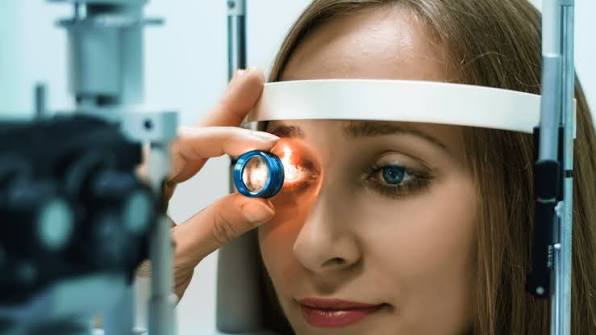
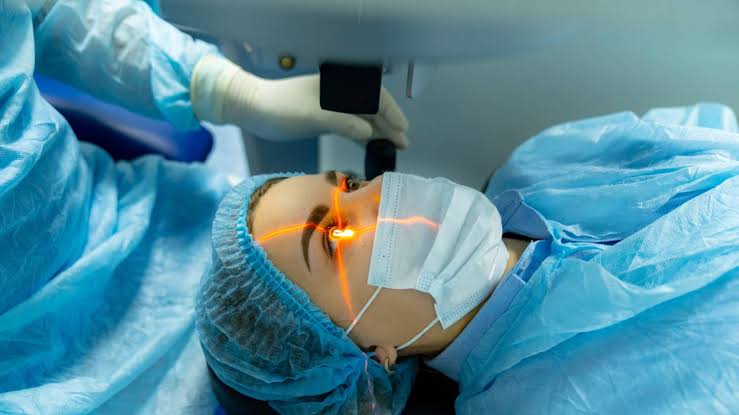
An Australian suitability check for eye surgery lasik procedures usually includes corneal topography, corneal thickness measurement, refraction, pupil testing, tear film assessment, and a full eye health exam. Some clinics also check higher-order aberrations and do retinal imaging.
They should plan for a longer appointment, and they may need someone to drive them home if dilating drops are used.
What are common reasons surgeons advise against LASIK?
Surgeons may advise against eye surgery lasik procedures if the cornea is too thin, the cornea shape is suspicious, dryness is significant, or the prescription is unstable. They may also decline if there are eye health risks like uncontrolled glaucoma or certain retinal conditions.
In Australia, a “no” to LASIK is often paired with a safer alternative, not a dead end.
If they are not suitable for LASIK, what alternatives might be offered?
If they are not suitable for eye surgery lasik procedures, alternatives may include PRK, SMILE, implantable collamer lenses (ICL), or lens-based surgery depending on age and prescription. The best option depends on corneal anatomy, lifestyle, and risk tolerance.
An Australian refractive surgeon should explain why one option fits better and what the trade-offs are for healing time and visual recovery.
What should they do next if they think they might be a candidate?
If they are considering eye surgery lasik procedures, the next step is a comprehensive assessment with an Australian refractive surgeon, not just a quick screening. They should bring their glasses prescription, disclose medication and medical history, and ask how outcomes relate to their work and driving.
A good clinic will encourage questions, provide written consent information, and make it clear whether they are truly suitable or better served by another approach.
Eye surgery LASIK procedures in Australia are designed to reduce dependence on glasses or contact lenses by reshaping the cornea. They most commonly treat short-sightedness (myopia), long-sightedness (hyperopia), and astigmatism, with clinics confirming prescription suitability within safe treatment ranges.
A suitable candidate is typically an adult with healthy eyes, a stable prescription, sufficient corneal thickness, normal corneal shape, and no uncontrolled eye diseases. Australian refractive surgeons also look for realistic expectations regarding outcomes.
Most candidates are at least 18 years old, with many clinics preferring patients in their early 20s or older to ensure prescription stability. There is no strict upper age limit, but age-related lens changes may influence whether LASIK is the best option.
Prescription stability, usually little to no change over at least 12 months, is crucial for good long-term satisfaction with LASIK. If vision is still changing, surgeons may advise waiting or exploring alternative treatments based on the cause.
Corneal thickness and shape are central because the surgeon must reshape the cornea while preserving enough healthy tissue. Thin or irregular corneas may make LASIK unsuitable. Preoperative corneal mapping screens for conditions like keratoconus or early weakening.
Certain eye conditions such as keratoconus, significant scarring, infections, uncontrolled glaucoma, or retinal issues can make LASIK unsafe or less predictable. Dry eye requires careful assessment as LASIK can temporarily worsen symptoms; treatment prior to surgery is common in Australian clinics.